
A lithium battery golf cart isn't just a small step up from the old lead-acid models—it's a massive leap forward. We're talking about a completely different class of performance, a much longer lifespan, and pretty much zero maintenance. It’s the modern way to power your cart, giving you more zip, faster charging, and a far better experience every time you get behind the wheel.
The New Power Standard for Modern Golf Carts
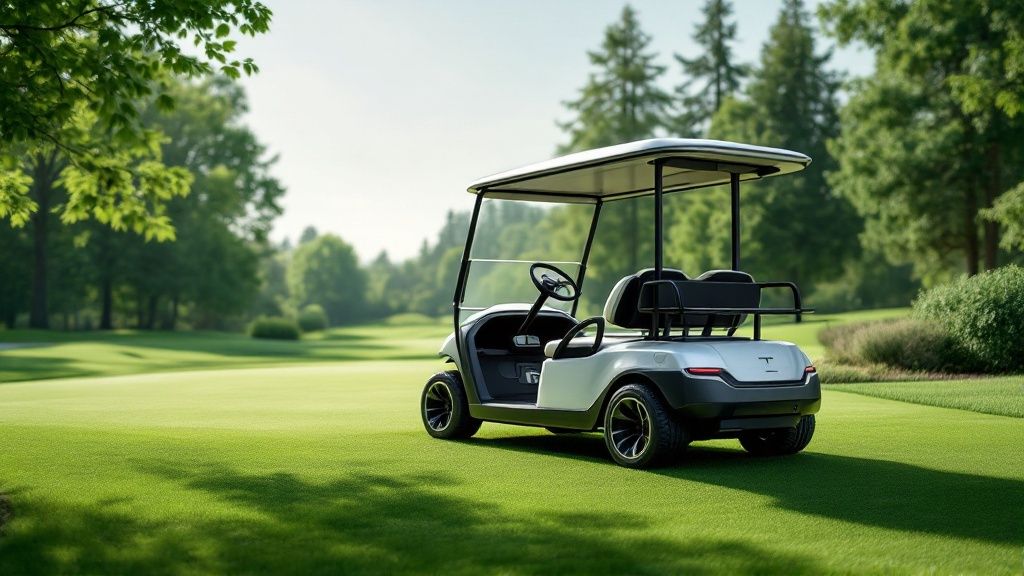
For years, the only choice for powering a golf cart was a set of heavy, messy, and high-maintenance lead-acid batteries. That was just how it was. But today, the game has completely changed. Making the move to a lithium battery golf cart is so much more than a simple battery swap; it fundamentally redefines how your vehicle performs every single day.
Think of it this way: it’s like finally ditching an old flip phone for a brand-new smartphone. Sure, the old one made calls, but the new one is lighter, charges in a fraction of the time, and does a hundred other things better and faster. That’s the kind of jump you get when you upgrade your cart to lithium.
Why Lithium Is Gaining Momentum
This shift isn't just a hunch; the numbers tell the story. The global market for lithium battery golf carts was already sitting at around $500 million in 2025. It's now expected to grow at a compound rate of about 15% all the way through 2033. This isn't just a trend—it's the industry voting with its wallet for a better technology. You can dig into the specifics of this market growth over at archivemarketresearch.com.
This guide will walk you through everything you need to know about making the switch. We'll get into the real-world benefits that make a lithium battery golf cart the clear winner for most owners.
By the time you finish reading, you'll have a solid grasp of the performance you'll gain, what the true cost of ownership looks like over time, and just how easy these batteries are to live with. You'll see the full picture of this powerful upgrade.
Here's what we'll cover in the next sections:
- Performance Upgrades: How lithium gives you a boost in speed, acceleration, and how far you can go on a single charge.
- Long-Term Value: We'll look past the sticker price to see the total cost of ownership.
- Convenience and Care: Breaking down the perks of zero-maintenance and super-fast charging.
Comparing Lithium and Lead-Acid Batteries
Think about the difference between a sputtering old car engine and a modern, efficient one. It’s a night-and-day experience. The same goes for your golf cart’s power source. Deciding between a traditional lead-acid battery and a modern lithium battery golf cart will completely change how your cart drives, feels, and fits into your lifestyle.
Let's dive into a real-world comparison to see why lithium has quickly become the new gold standard. Instead of getting bogged down in technical jargon, we'll look at what these differences actually mean for you, whether you're hitting the links or just cruising the neighborhood.
Performance and Weight
The first thing you'll notice—and I mean really notice—is the weight. A standard set of lead-acid batteries can easily top 300 pounds. That’s like having a couple of extra passengers weighing your cart down all the time. A single lithium battery pack, by comparison, weighs about 75% less.
This isn't just a number on a spec sheet; it's a game-changer for performance.
- Quicker Off the Line: Your cart feels zippier and more responsive the moment you press the pedal.
- Powers Up Hills: No more slowing to a crawl on inclines. The cart tackles hills without straining the motor.
- Handles Better: A lighter cart is just plain easier and more fun to drive. It feels more nimble and turns more smoothly.
Basically, by shedding all that dead weight, you're letting the motor do its job efficiently. All the power goes to moving you, not to hauling around a massive, heavy battery.

As you can see, lithium's edge in weight, longevity, and charging speed isn't minor. These advantages add up to a far better ownership experience.
To put it all in one place, here’s a quick side-by-side look at how the two technologies stack up.
Lithium vs Lead-Acid Golf Cart Battery Comparison
| Feature | Lithium Battery | Lead-Acid Battery |
|---|---|---|
| Weight | Significantly Lighter (around 75 lbs) | Very Heavy (300+ lbs) |
| Lifespan | 10+ years (3,000-5,000 cycles) | 2-4 years (500-1,000 cycles) |
| Charge Time | Fast (2-4 hours) | Slow (8-10 hours) |
| Maintenance | Zero Maintenance | Regular (watering, cleaning) |
| Performance | Consistent power, better acceleration | Fades as it discharges, sluggish |
| Upfront Cost | Higher | Lower |
| Long-Term Cost | Lower (no replacements needed) | Higher (multiple replacements) |
While lead-acid might seem cheaper at first glance, the long-term value clearly shifts in favor of lithium once you factor in replacements, maintenance, and performance.
Charging Speed and Usable Range
Waiting around for your cart to charge is a real drag. With lead-acid, you're looking at a full 8-10 hours of downtime, which can easily take your cart out of commission for the rest of the day and night. A lithium battery golf cart completely flips the script, reaching a full charge in just 2-4 hours.
That kind of speed gives you incredible flexibility. You can take a long morning ride, plug it in while you have lunch, and be ready to go again by the afternoon. It puts you back in control of your schedule.
On top of the fast charging, lithium-ion batteries consistently deliver about double the range of their lead-acid counterparts. This combination makes them perfect for carts that see a lot of daily action without long breaks. You can find more analysis on these industry trends at wiseguyreports.com.
Lifespan and Maintenance
Here’s where the long-term value of lithium really shines. Lead-acid batteries have a pretty short and demanding life. You can expect them to last for 500-1,000 charge cycles, which for most people works out to be about 2-4 years. And during that time, you're on the hook for constant upkeep—checking water levels, cleaning corrosive buildup off the terminals, and making sure they're vented properly.
Lithium batteries? Zero maintenance. Seriously. No water to top off, no acid to clean up. They are a true set-it-and-forget-it solution.
Even better, they last for 3,000-5,000 charge cycles. That means you can realistically expect your lithium battery to last 10 years or more. Yes, the initial price is higher, but you’d have to buy three, maybe even four sets of lead-acid batteries in that same timeframe. When you do the math, lithium isn't just a better battery—it's a smarter investment.
Real-World Benefits of a Lithium Upgrade
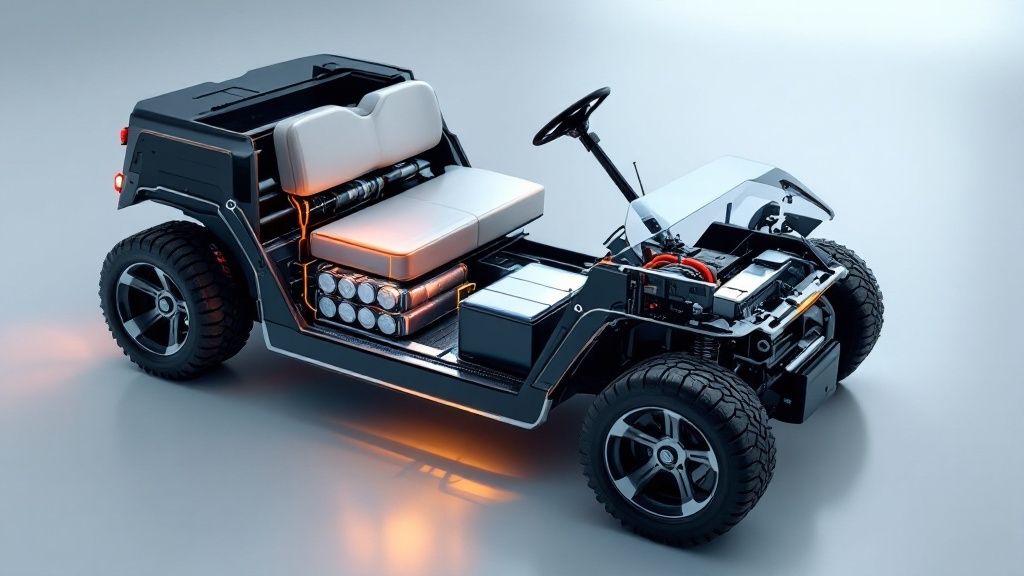
The spec sheets and technical details are great, but the real magic of a lithium battery golf cart shows up in how you actually use it day-to-day. This upgrade delivers some seriously tangible benefits that will completely change how you think about your cart.
One of the first things you'll notice is the consistent power delivery. If you've ever driven a cart with old lead-acid batteries, you know that sinking feeling as it gets weaker and weaker with every mile. That hill you flew up on a full charge becomes a real struggle when you’re down to 50%.
Lithium power completely erases that problem. You get steady, full-throttle power right up until the battery is just about empty. The last mile of your ride feels just as peppy as the first.
Redefining Range and Freedom
A lithium upgrade also blows the doors off how far you can go on a single charge. For a serious golfer, this is a game-changer. You can easily play two full 18-hole rounds without even thinking about finding an outlet. It gives you the confidence to explore the whole course without that nagging range anxiety in the back of your mind.
But it’s not just for the course. If you live in a golf cart community, that extra range unlocks a new level of freedom. Your cart is no longer just for short trips; it becomes a genuinely practical vehicle for running errands, visiting friends across the neighborhood, or just going for a long evening cruise.
Think about a community manager running a fleet of rental carts. With lithium, those carts can stay out all day long, serving more people with way less downtime. The super-fast charging means they're back in action in a fraction of the time, which is a huge boost to efficiency and the bottom line.
The True Meaning of Zero Maintenance
For many, the biggest win is saying goodbye to battery maintenance forever. Seriously. The tedious, messy chores that come with lead-acid batteries are officially a thing of the past.
No more weekends spent:
- Topping off water levels in every single battery cell.
- Scrubbing nasty, corrosive acid off the terminals and cables.
- Worrying about venting those hazardous fumes.
This isn’t just about saving time; it’s about getting rid of a repetitive, dirty, and potentially dangerous job. A golf course manager can save hundreds of labor hours a year across a fleet. As a homeowner, you just get more time to actually enjoy your cart.
This freedom is a huge reason people upgrade, which makes it critical to pick a high-quality power source. To point you in the right direction, check out our guide on the best lithium batteries for golf carts on the market.
Ultimately, the real-world value of a lithium battery is that perfect blend of reliable power, expanded freedom, and truly effortless ownership. It makes your golf cart a far more capable and enjoyable machine, no matter how you use it.
Calculating the Total Cost of Ownership

It's no secret that the higher upfront price of a lithium battery golf cart can give buyers a moment of pause. When you see the initial cost, it’s easy to think a traditional lead-acid cart is the more budget-friendly choice. But that sticker price is just one small piece of a much larger financial puzzle.
To really understand the value, you have to look past that first day and consider the total cost of ownership over the entire life of the cart. It's a bit like buying a premium, energy-efficient appliance—it costs more at the register, but the savings on your utility bills month after month eventually make it the smarter financial move. The same logic applies here.
Breaking Down the Long-Term Savings
So, where do these savings come from? The financial edge of lithium batteries really shines in three key areas that directly impact your wallet over the years. This isn't just about what you spend today; it's about what you stop spending tomorrow.
These benefits add up faster than you might think:
- No Replacement Costs: A quality lithium battery is built to last 10+ years, handling 3,000 to 5,000 charge cycles with ease. To get that same lifespan out of lead-acid, you'd be buying a whole new set of batteries every 2-4 years. That's potentially three or four full replacements you simply don't have to worry about.
- Zero Maintenance Expenses: Forget about buying distilled water, cleaning terminals, and spending your Saturday afternoons tinkering. Lead-acid batteries need constant attention. Lithium batteries? They require absolutely no maintenance. The cost savings here are both in money and your valuable time.
- Lower Electricity Bills: Lithium batteries are just plain more efficient. They charge faster and waste less energy in the process, which means you're not paying for electricity that never makes it into your battery. Over time, that translates into noticeably lower power bills.
When you start adding up these avoided costs, the math shifts dramatically in favor of lithium. That initial premium gets paid back by eliminating all the future expenses tied to replacements and upkeep. You can dive deeper into these financial advantages by exploring ways of reducing total cost of ownership.
A Clear Financial Justification
Let's put some real numbers to this. Imagine a typical set of lead-acid batteries costs $800 and needs to be replaced every three years. Over a decade, that's $2,400 spent on new batteries alone, not even factoring in the cost of your time and maintenance supplies.
A lithium battery, while more expensive initially, is a one-time purchase that covers that entire decade. You pay once and avoid the cycle of repeated costs, making it the smarter financial decision for anyone planning to keep their cart for more than a few years.
This is what makes the upgrade so compelling. The investment pays for itself through incredible longevity, better efficiency, and the complete freedom from regular maintenance expenses.
Simple Maintenance and Safety Best Practices
One of the biggest perks of owning a lithium battery golf cart is how little you have to fuss with it. If you've ever dealt with lead-acid batteries, you know the routine of checking water levels and cleaning terminals. With lithium, that's a thing of the past—it’s pretty much a set-it-and-forget-it system.
That said, a few common-sense habits will make sure you get the absolute best performance and longest possible life out of your battery. Think of it like a modern car engine; you don't have to constantly tinker with it, but you still follow the recommended service schedule to keep it running smoothly for years.
Charging and Storage Guidelines
Getting your charging routine right is the single most important thing you can do for your battery's health. The good news is that lithium batteries are smart. They don't have a "memory effect" like older battery types, so you don't need to stress about fully draining them before plugging them in.
Here are the key things to remember:
- Use the Right Charger: This is non-negotiable. Always use the charger that came with your battery or one specifically made for it. Using the wrong one can cause damage and is a major safety hazard.
- Avoid Running on Empty: While you don't have to, it's a great habit to charge your cart after every major use. Lithium batteries are happiest when they aren't completely drained.
- Off-Season Storage: If you're putting the cart away for a few months, don't leave it fully charged or totally dead. The sweet spot is a charge level of around 50%. Just store it in a cool, dry place, and it'll be ready to go when you are.
These simple steps cover most of what you'll ever need to do. For a deeper dive, our complete guide to golf cart battery maintenance has even more tips.
Essential Safety Precautions
Modern lithium batteries are incredibly safe, especially the Lithium Iron Phosphate (LiFePO4) chemistry used in most quality carts. Their real secret weapon is the built-in Battery Management System (BMS).
The BMS is like a tiny computer inside the battery pack, constantly monitoring everything. It's the brain of the operation, protecting the cells from overcharging, overheating, or short-circuiting.
Thanks to the BMS, your main job is just to keep an eye on the battery's physical condition. Give it a quick look now and then to make sure the case isn't cracked and the cables are secure.
This effortless ownership is a huge reason why everyone from golf course managers to groundskeepers is switching to lithium-powered electric carts. They want quiet, zero-emission vehicles that don't demand constant attention, and that’s exactly what lithium delivers. This trend is backed by industry analysis from firms like Grand View Research, which highlights the growing demand. Ultimately, a little awareness is all it takes to enjoy your cart safely for a very long time.
Is a Lithium Golf Cart Right for You?
So, you've seen the specs and the benefits. Now for the big question: should you actually make the switch to a lithium-powered golf cart?
https://www.youtube.com/embed/O-wq-C-52NY
The answer really comes down to a simple trade-off. You're looking at a higher price tag upfront, but in return, you get a massive upgrade in performance, convenience, and long-term value. It’s an investment, and like any good investment, you have to decide if the payoff is right for your situation.
To figure that out, think about how you really use your cart. Are you out on the course every other day? Do you manage a whole fleet of them? Or is it your go-to vehicle for zipping around the neighborhood?
Who Benefits Most? Let's Break It Down
Let's walk through a few common scenarios to see who gets the biggest bang for their buck with a lithium upgrade.
-
The Avid Golfer: If you’re playing several rounds a week, lithium is a game-changer. You'll never have to worry about the cart losing steam on that last steep hill. Plus, you can easily play 36 holes on one charge, and a quick recharge gets you ready for the next round in no time. Your cart will always be ready to go when you are.
-
The Community Cruiser: For those who use their cart for everything—running errands, visiting friends, just enjoying the evening air—the "set it and forget it" nature of lithium is a huge perk. No more checking water levels or cleaning corroded terminals. It just works.
-
The Fleet Manager: When you're running a business, the numbers have to make sense. A lithium fleet translates directly to a healthier bottom line. Carts spend more time on the course and less time in the shop, your electricity costs drop, and you completely eliminate the labor hours once dedicated to messy lead-acid battery maintenance.
In the end, a lithium battery golf cart is a smart, forward-thinking investment for nearly every type of owner. While the initial price is higher, the superior lifespan, zero upkeep, and enhanced performance deliver a total value that lead-acid simply cannot match. It’s an upgrade that pays for itself over time.
Got Questions? We’ve Got Answers.
It’s smart to have a few questions before jumping into a new technology. Even with all the benefits we've covered, you're probably wondering about the practical side of switching your golf cart to lithium. Let's tackle some of the most common ones we hear from cart owners just like you.
We want you to feel totally comfortable with your decision, so we'll get straight to the point on everything from installation to safety.
Can I Upgrade My Existing Golf Cart to a Lithium Battery?
You bet. The good news is that most lead-acid golf carts can be converted to lithium, and it's easier than you might think. Brands have created "drop-in" kits designed specifically for the big names like Club Car, EZ-GO, and Yamaha.
These kits usually give you everything you need in one box:
- The LiFePO4 battery pack
- A new charger built for lithium batteries
- The all-important Battery Management System (BMS)
- Mounting hardware and cables to tie it all together
While they're often designed for a do-it-yourself install, we usually suggest letting a pro handle it. A professional will make sure every connection is solid and the system is set up perfectly, guaranteeing you get the best and safest performance from day one.
How Long Does a Lithium Golf Cart Battery Actually Last?
This is where lithium really shines. A quality lithium battery for a golf cart is built to last 10 years or more. In terms of use, that’s about 3,000 to 5,000 charge cycles.
Think about it this way: a set of old-school lead-acid batteries might get you 500 to 1,000 cycles, meaning you're replacing them every 2 to 4 years. Over the life of just one lithium battery, you could burn through three or four sets of lead-acid ones.
That incredible lifespan is a huge reason why lithium ends up being cheaper in the long run, even if it costs more upfront.
Are Lithium Golf Cart Batteries Safe?
Absolutely. Safety is a huge deal, and modern lithium golf cart batteries are engineered with that in mind. The best ones use a chemistry called Lithium Iron Phosphate (LiFePO4), which is known for being incredibly stable and safe—far less prone to overheating than other lithium types.
Plus, every reputable battery has a built-in computer called a Battery Management System (BMS). This little brain is constantly watching over the battery. It acts like a bodyguard, preventing problems like overcharging, getting too hot, or short-circuiting. Just be sure to use the charger that comes with your battery, as it’s designed to communicate perfectly with the BMS to keep things safe.
Ready to feel the difference that modern power and performance can make? Check out the full lineup of street-legal, high-performance carts at Solana EV. Find the ride that fits your life by visiting us today at https://solanaev.com.